
When Power Cannot Wait, How Immediate Access to Energy Keeps Operations Moving
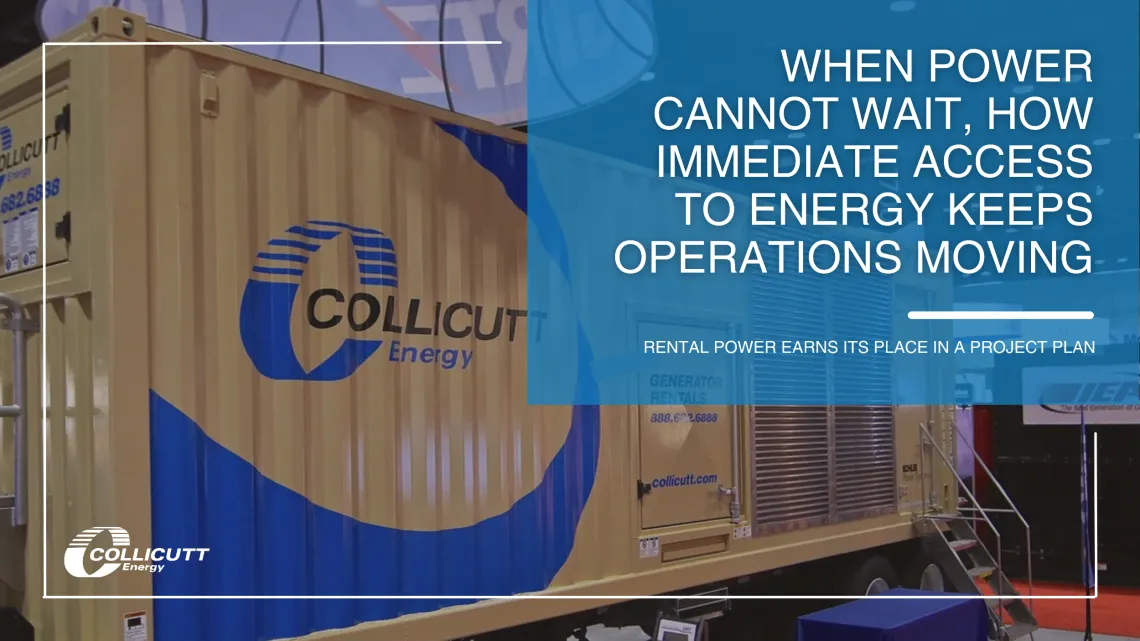
Power interruptions don't happen at convenient times, and operations don't pause while solutions are sourced. When utility power is lost or unavailable, the speed at which backup power is deployed determines whether operations continue or come to a halt. On projects striving to achieve schedule milestones, that timeline is often the difference between meeting commissioning dates and explaining why you missed them.
Rental power is often treated as an emergency-only fix. In practice, it's a planning tool. Built into project execution from the start, it holds schedules through utility delays, maintenance windows, peak-load periods, and unplanned outages without compromising scope or safety.
Collicutt's rental fleet is structured around that reality.
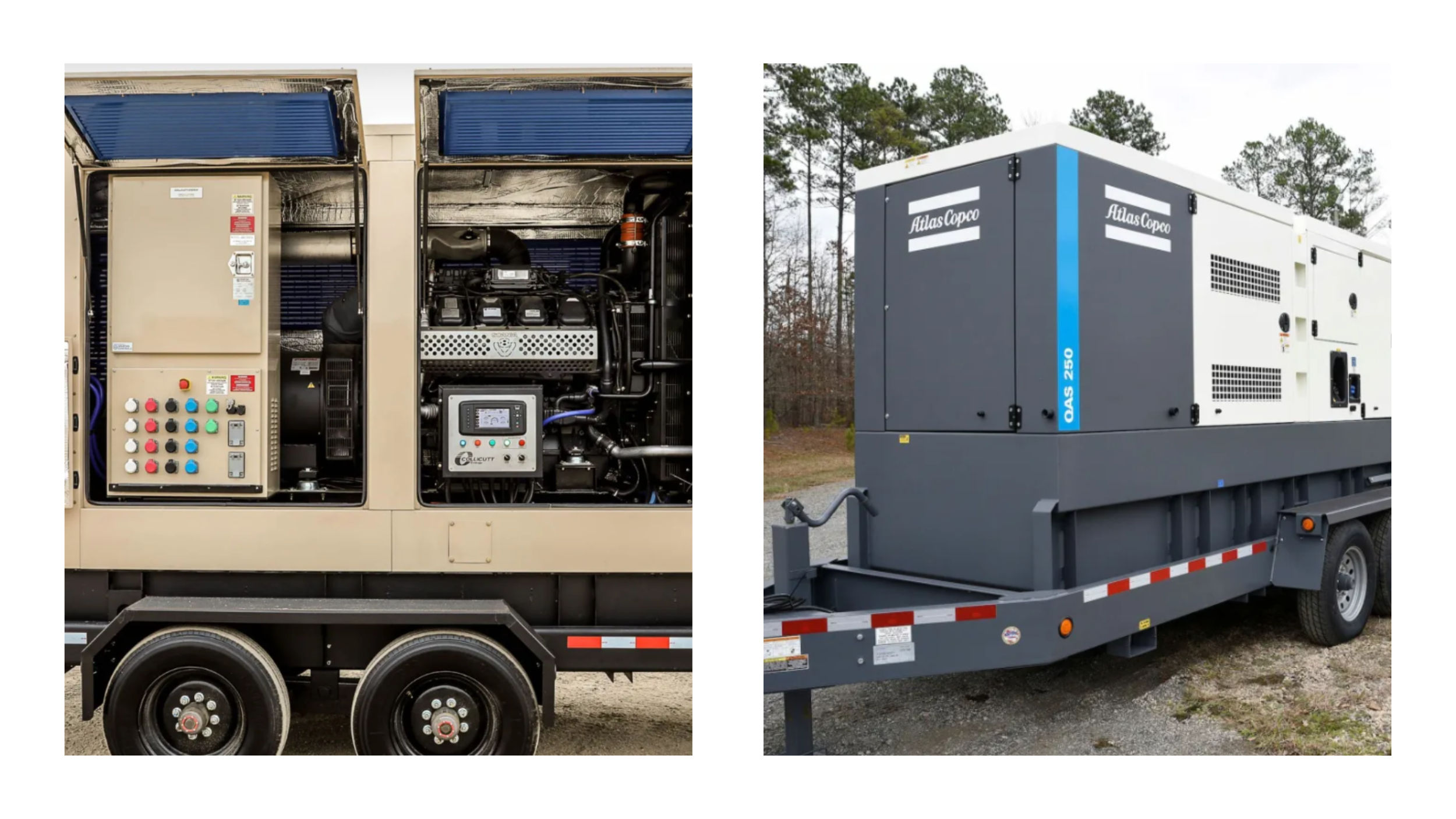
Immediate startup—no waiting on utilities.
Continuity for critical operations.
One of our data center clients undergone electrical upgrades stayed fully online using a high-capacity rental unit with paralleled transformers and extended cabling to bridge the work area. A military training facility maintained operations through paralleled generators carrying full site load. A communications provider kept its network running through site-specific deployments configured to each location's load profile and transfer requirements. In each case, the work happened around live operations rather than against them.
Right-sized, cost-efficient solutions.
A construction project needed power for multiple office trailers. Rather than deploying a unit per trailer, a single appropriately-sized generator was configured to power all of them through a distribution setup lower fuel burn, fewer service points, less site footprint. Matching capacity to actual load, rather than to a worst-case spec sheet, is one of the simplest places to control rental spend without sacrificing reliability.
Planned maintenance without disruption. A residential facility scheduled maintenance that required taking primary power offline. Rental equipment was secured in advance, sequenced into the maintenance window, and removed on completion. Pre-arranged rental capacity converts a high-risk outage window into a controlled procedure.
Redundancy during peak or high-risk periods.
A manufacturer operating through peak seasonal demand deployed rental equipment as N+1 backup, with enough capacity to ride through multiple concurrent failures. Collicutt's contingency generator programs extend this principle: pre-planned emergency power arrangements that guarantee equipment availability during the periods such as storm seasons, regional grid stress, widespread outages, when spot-market rental availability disappears.
Rapid recovery from outages.
Stability for essential infrastructure.
When a wastewater and energy provider's primary system became unreliable, a rental generator was deployed to maintain continuous operation and prevent disruption to essential services. In environments tied to environmental compliance, regulatory reporting, and public safety, the cost of an outage is rarely just the outage itself—it's the consent order, the notice of violation, and the audit that follows.
What makes the difference on a rental project usually isn't the generator itself—it's everything around it.
Permitting support, delivery, commissioning, fuel management, in-period service, and removal are all handled in scope, with factory-trained technicians on each deployment and 24/7/365 service availability for the rental term. The intent is straightforward: integration is our problem, not yours, so your team can stay focused on the work the rental was brought in to protect.
That translates to a single point of accountability for the temporary power portion of the project from load calculation through demobilization. Whether the rental supports a planned tie-in, a peak-season ramp, or something that didn't make the risk register, the equipment and the expertise are available on the timeline the work actually requires.
May 22, 2026
